Understanding Your ADHD Teen
What’s Really Going On (and What Actually Helps)
First: This isn’t “bad behaviour” in the simple sense
Some parents describe their teen’s attitude as:
- anger
- disrespect
- laziness
- poor hygiene
- refusing school
- “not caring”
When these behaviours are misunderstood as character flaws, it can slowly damage the connection you have with your child. Because most of these are symptoms, not choices.
That doesn’t mean “anything goes.”. It means:
If you misunderstand the cause, you’ll use the wrong solution
What ADHD actually looks like in teenagers
Core patterns are:
- Emotional dysregulation
- Executive dysfunction (why nothing gets done)
- Dopamine seeking (why they make “bad decisions”)
- Time blindness
- Social struggles
Emotional dysregulation
“Flying off the handle”, rage over small things, switching emotions in seconds, after-school meltdowns This is not drama. This is a nervous system that can’t regulate itself properly. Their brain reacts fast, feels everything intensely and struggles to calm down. So what looks like "overreacting", is actually overloading.
Executive dysfunction
Homework avoidance, messy rooms, forgetting everything, “Lazy” behaviour. They’re not sitting there thinking: I won't do it" It’s more like: " I don't know where to start, so I shut down"
Dopamine seeking
From my research, one parent said it perfectly and she was talking about herself when she was a teenager: “I knew it was wrong but I wanted to feel alive.” That’s ADHD in one sentence. This shows up as: risky behaviour arguing chasing excitement ignoring long-term consequences
Time blindness
Late for everything, can’t plan, “No sense of time”. They don’t feel time the way you do. Deadlines are abstract until they’re urgent.
Social struggles
Love bombing friendships, feeling left out, people pleasing, being “too much” or “not enough”
Why your teen might be angry at you
This part matters. Your teen may feel:

Constantly corrected
“Do this.” “Why didn’t you…” “Sort your room.” “Be on time.” After years of this, they hear: “I’m failing again.”

Shame they can’t express
Many teens don’t say: “I feel like I’m failing at life.” They show it as: anger, shutdown, disrespect
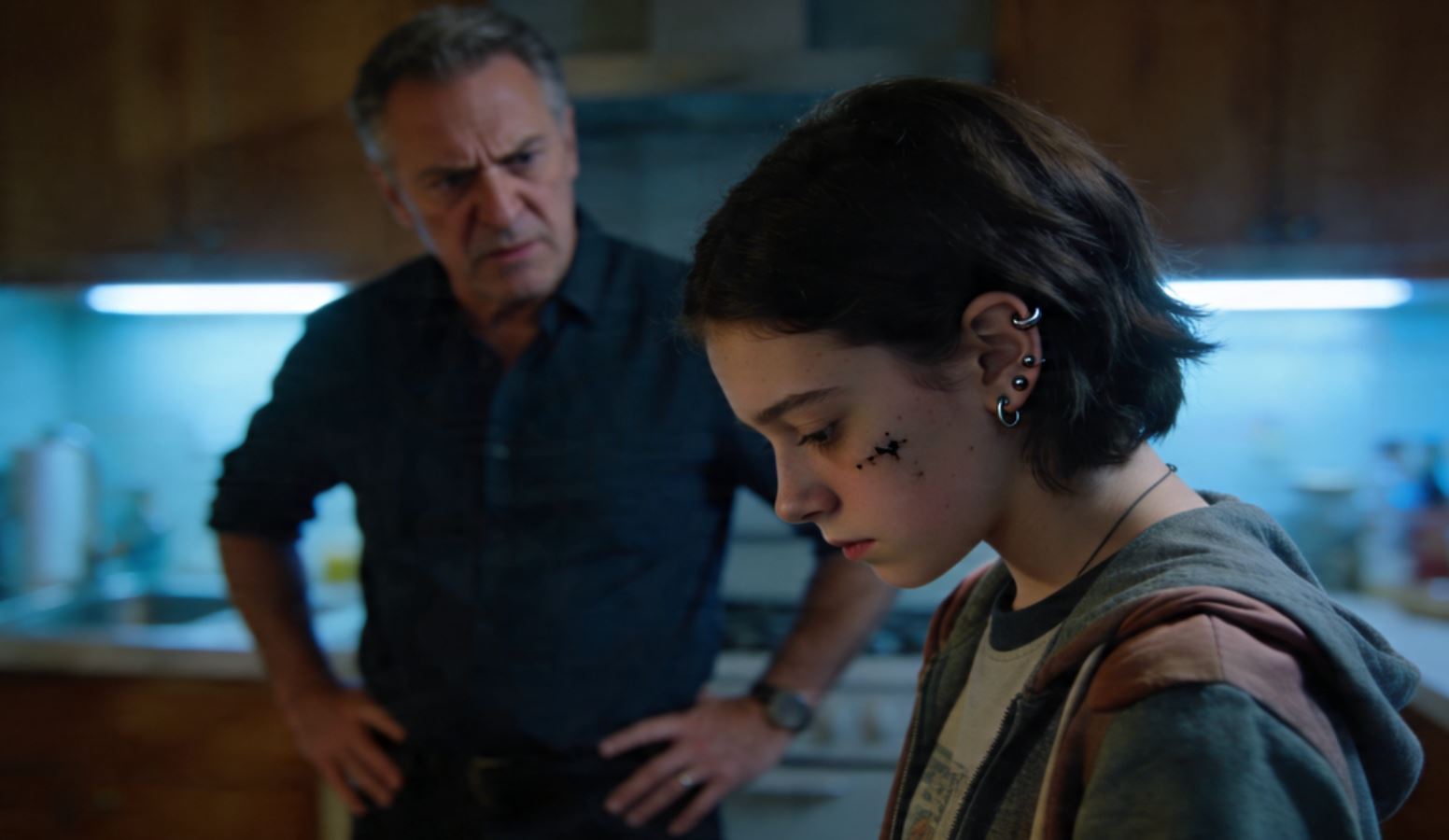
Misunderstood
If you treat symptoms like attitude: they feel judged not supported
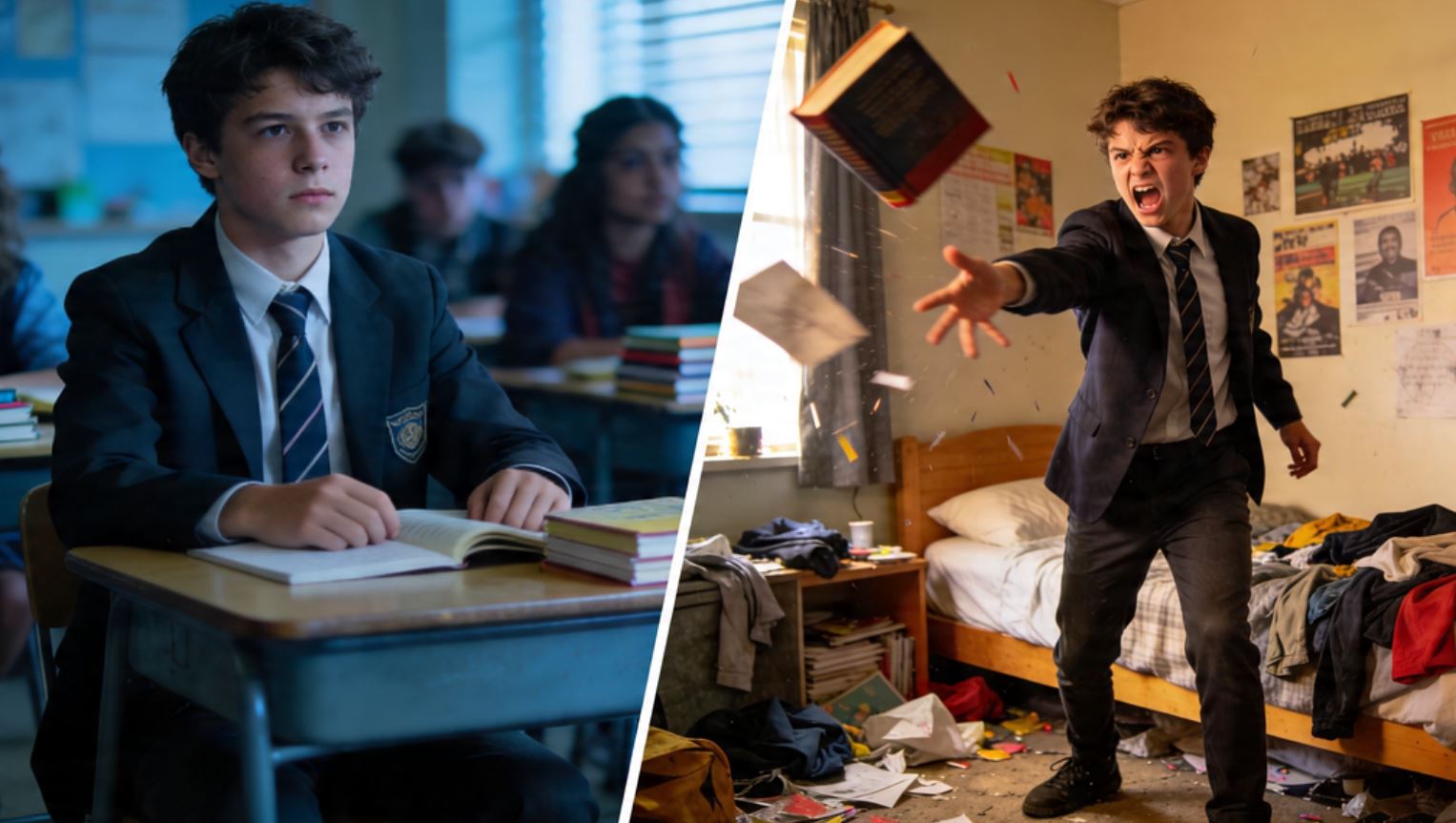
You are their safe space
They hold it together outside. Then explode at home. Because: home is where they feel safe enough to fall apart
Where low self-esteem actually comes from
Not just “ADHD.”
It builds from repeated experiences:
- Being told off more than praised
- Forgetting things constantly
- Struggling socially
- Not meeting expectations
- Comparing themselves to others
Eventually they form a belief:
“Something is wrong with me.”
That’s the real danger.
What parents should actually look out for
Forget perfection. Watch for patterns:
🚩 Warning signs
- Staying in bed all day
- Withdrawing from friends
- Sudden anger increase
- “I don’t care” attitude
- Refusing school
- Hygiene decline
- Extreme fatigue
- Negative self-talk
These often point to:
- burnout
- anxiety
- depression
- overwhelm
Burnout in ADHD teens
(this is huge and often missed) Burnout isn’t laziness.
It’s:
“I’ve pushed myself too hard for too long and now I can’t function.”
What it looks like:
- shutdown
- no motivation
- avoiding everything
- emotional numbness or explosions
What NOT to do:
- push harder
- threaten
- lecture
That makes it worse.
What actually helps:
- reduce demands temporarily
- focus on basics (sleep, food, safety)
- give recovery time without shame
How to talk to your ADHD teen
(this is where most parents fail)
You cannot talk to them like a typical teen.
Doesn’t work:
- lectures
- logic in the heat of the moment
- “you should know better”
Works better:
1. Catch them when calm, not during an argument.
2. Name what’s happening: Example: “I think you get overwhelmed and then it comes out as anger”. This builds self-awareness.
3. Explain their brain without labelling them as broken.
Simple version:
- “Your brain is fast and intense. That’s a strength, but it also makes things harder to control sometimes.”
4. Focus on patterns, not blame
- “I’ve noticed when you’re tired, everything feels worse”
Helping them understand their triggers
You’re trying to build one skill:
pause → notice → choose
Start simple:
Identify common triggers:
- hunger
- tiredness
- boredom
- feeling criticised
- social stress
Use real examples:
- “Yesterday, you hadn’t eaten and everything kicked off”
Make it concrete.
How to handle clashes
This came up a lot. And it’s a real problem.
Two dysregulated brains = chaos.
Don’t solve things in the moment
If both of you are triggered:
- step away
- come back later
Externalise communication
One parent already does this:
texting instead of talking
That’s smart.
It:
- slows things down
- removes tone issues
Lower your expectations in conflict
You’re not aiming for:
- agreement
- perfect behaviour
You’re aiming for:
- less damage
Impulsivity: how to teach “pause and think”
You won’t fix this by saying:
“Just think before you act.”
That’s useless advice for ADHD. Instead, build a system
“When you feel like reacting, wait 10 seconds”
Even 2 seconds is a win.
- step back
- sit down
- drink water
This interrupts the reaction.
Not during.
ADHD in girls vs boys
(yes, there’s a difference)
Boys (more obvious):
- hyperactive
- disruptive
- external anger
Girls (often missed):
- internalised
- anxiety
- people pleasing
- masking
- emotional overwhelm
Girls are more likely to:
- look “fine”
- struggle silently
- develop low self-esteem
That’s why many are diagnosed late.
The uncomfortable truth about “disrespect”
(yes, there’s a difference)
Some parents said:
“It’s not ADHD, it’s a moral issue”
Here is the reality. It’s both. ADHD explains the impulsive tone and the emotional reactions, but behaviour still needs boundaries. The balance is to understand the cause and still teach responsibility. if you ignore either side, you create problems.
What actually helps
Give choices instead of commands:
- “Do you want to do homework now or after dinner?”
Break everything down
- “clean your room” = overwhelming
- “Pick up clothes for 5 mins” – doable
Focus on wins
- They hear failure all day
- You need to balance that
Build routines around energy, not time
- Time doesn’t work well for ADHD
- Energy does
Use interest as leverage
- Sport, gaming, gym, dancing
- These regulate their brain
Accept they develop later
- Independence takes longer
- That’s reality
What actually helps
This is where most people waste time. They try:
- punishment
- stricter rules
- constant reminders
And then burnout.
If you ever have a session with an ADHD coach as a parent, the coach would help you:
- Understand behaviour properly
- Stop reacting emotionally
- Build systems that actually work
- reduce conflict
Most importantly, You change first, then the dynamic changes too.
Your teen is not trying to make your life hard, They are struggling to manage a brain that feels so much, think too fast, can’t organise itself and they don’t fully understand it yet. But here is the hard part
If you only react to behaviour, you’ll damage the relationship.
If you only excuse behaviour, you’ll fail to guide them.
The goal is to understand deeply and guide consistently. That’s the balance