ADHD brains burn energy fast when choosing. Every small choice chips away at focus, emotional regulation, and patience. By the afternoon, even “What do you want to play?” can feel like a math exam. Systems remove choice pressure. And when you remove pressure, behaviour improves without lectures.
What This Page Is About
Children with ADHD don’t struggle because they can’t make decisions. They struggle because they have to make too many. Every small choice uses mental energy, and by the end of the day, their brain feels overloaded. This page shares simple systems that reduce decision fatigue by removing unnecessary thinking. When decisions are structured, playful, and visual, children feel calmer, more confident, and more cooperative. Instead of arguing, freezing, or avoiding tasks, they can move forward with clarity.
The systems
The dice game
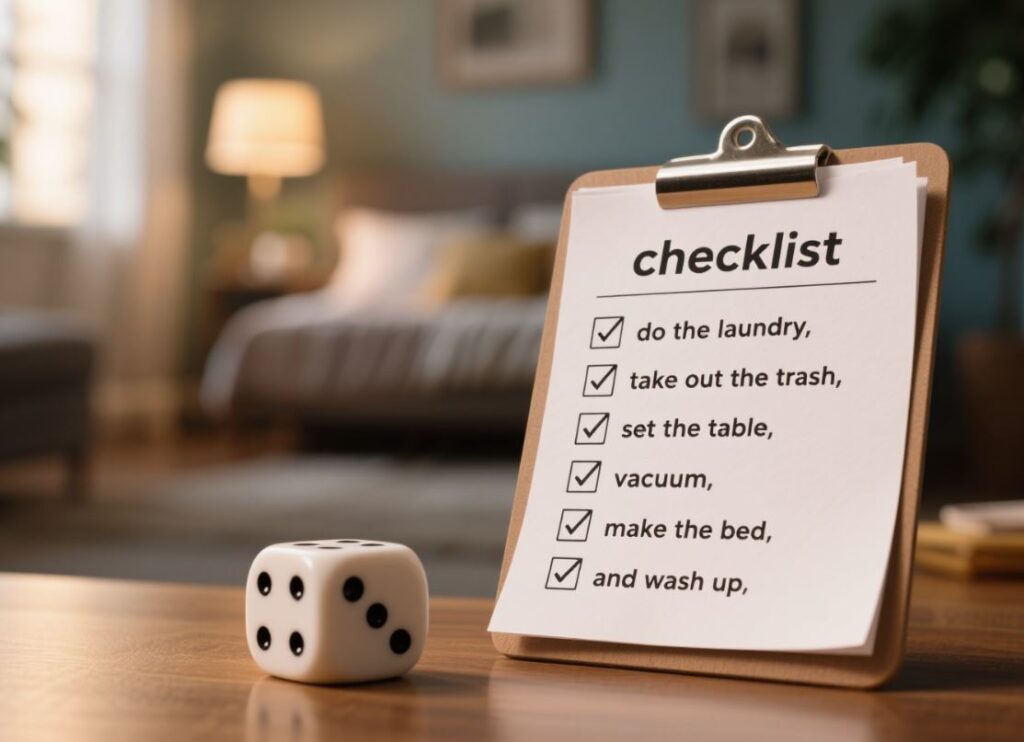
If there are multiple tasks to do, the dice decides.
Write 4–6 tasks on a visible list. Example:
Tidy toys
Fold laundry
Set the table
Feed the pet
Clear desk
Wipe kitchen counter
The child rolls the dice.
The number rolled = the task they do.
After finishing, they roll again.
The traffic light system
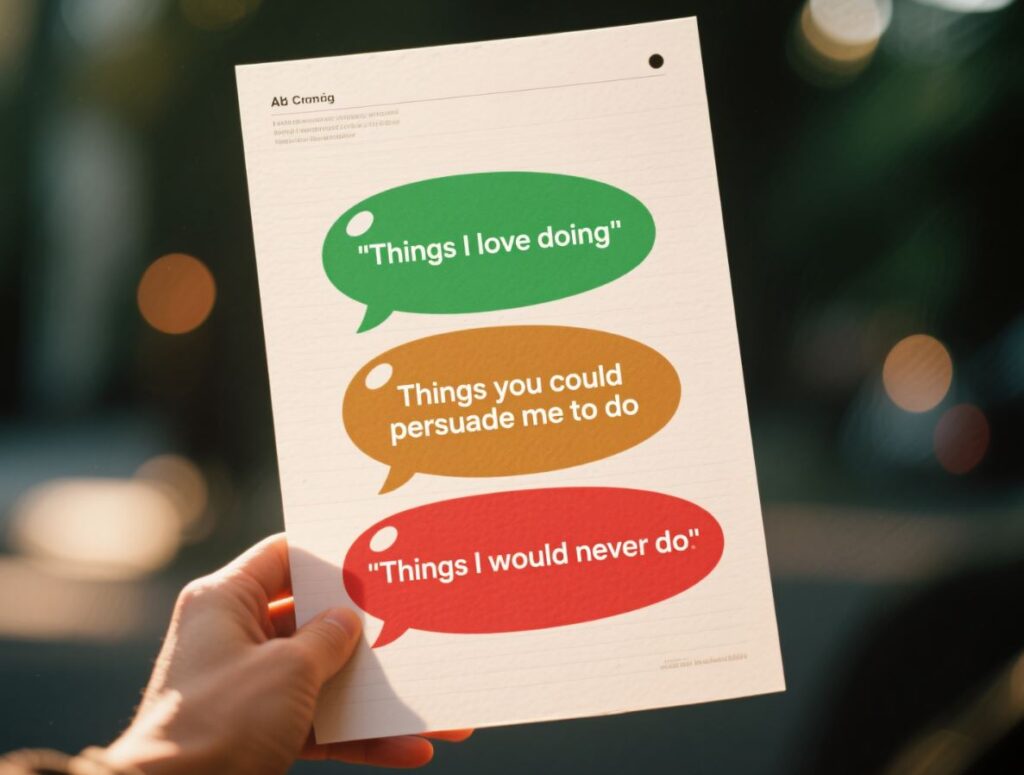
This one teaches boundaries and compromise. It’s emotional intelligence training disguised as a game. Step 1 – Each child creates their own paper with 3 bubbles and they fill their own lists first. Green = I love this. Amber = I might try this. Red = I would never do this.
Step 2 – Each child looks at the other’s list. If something is a hard no for them, it goes straight to the new Red bubble. No debate. Then Look at both Green lists, if something appears on both lists, it goes onto the new shared Green bubble. From the remaining items, they choose together which Amber activities they’re willing to try. These go in the shared Amber bubble.
The 2-Choice rule
Never give open-ended choices. Always offer two clear options. ADHD brain: freeze. Open-ended question: “What do you want for dinner?”, Better version: “Pasta or eggs?”
Examples for Parents:
“Blue jumper or red jumper?”
“Bike ride or park?”
“Math first or reading first?”
Limited choice reduces cognitive overload. Too many options drain executive function.
The Timer commitment system
When you can’t decide, you don’t decide. You let your hands decide.
How It Works
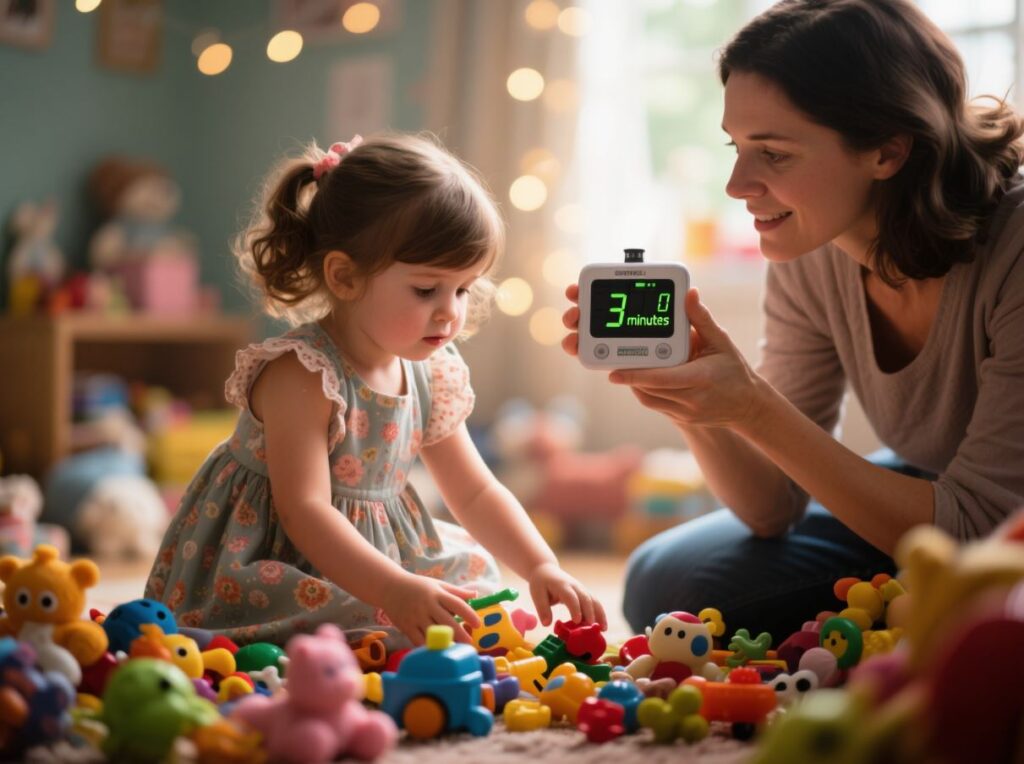
The child sits on the floor near the toys they are interested in.
Set a timer for 3 minutes.
The rule is simple:
They can touch.
They can hold.
They can look.
They can move things around.
But they are not allowed to overthink.
When the timer goes off: Whatever they are holding, touching, or most focused on becomes the game.
No changing it after the timer ends. That’s the chosen activity.
The weekly default plan
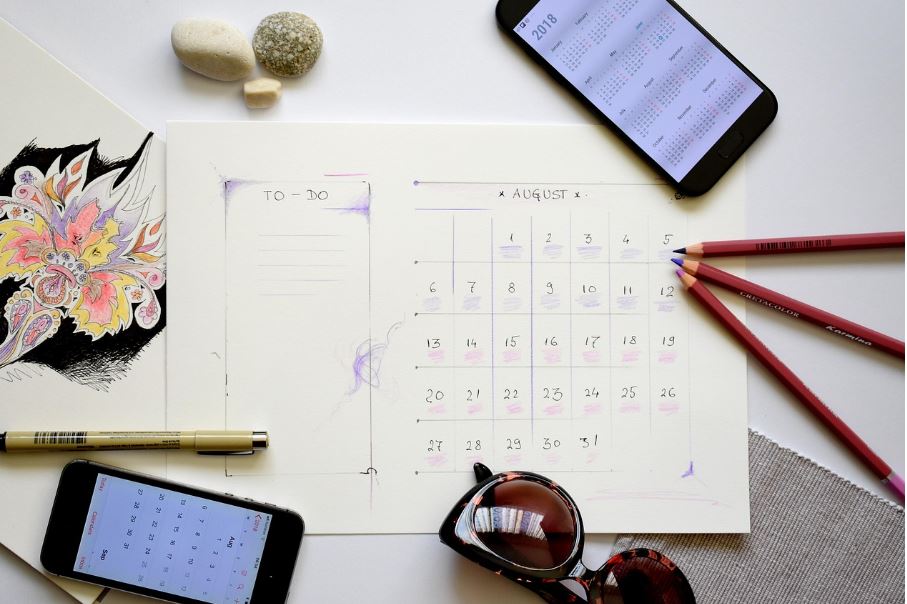
A simple weekly chart so, your child knows what’s coming:
Monday – Homework + 20 min outside Tuesday – Creative time etc…
You need a “Plan B” rule. Tell the child: “The plan is strong, but life can change it.”
If something unexpected happens:
The activity moves to the next available day or it becomes optional.
Explain clearly: Changing the plan is not punishment. It’s flexibility. This teaches adaptability without anxiety.
The card Jar System
No arguing. The jar decides.
How to set it up:
Write activities on small cards.
Put them in jars.
You can have three jars:
Indoor Jar
Outdoor Jar
10-Minute Quick Jar
Indoor Examples
Lego build challenge
Draw each other for 5 minutes
Fold laundry race
Sock ball toss into basket
10-minute tidy challenge
Puzzle race
Build a pillow fort
Outdoor Examples
Bike ride
Park visit
Chalk drawing on pavement
Scavenger hunt
Ball throwing game
10-minute nature walk
10-Minute Activities
Dance to one song
Speed tidy one room
Quick stretch session
Draw a funny face
Memory game
Organise school bag
The energy Level check system
This one is powerful.
Instead of asking: “What do you want to do?”
Ask: “Are you high energy or low energy?”
If they don’t know, test it.
Say: “Can you jump 5 times right now?”
If they jump immediately and fast → high energy. If they sigh, avoid, or move slowly → low energy.