Let me tell you how to stop the guilt
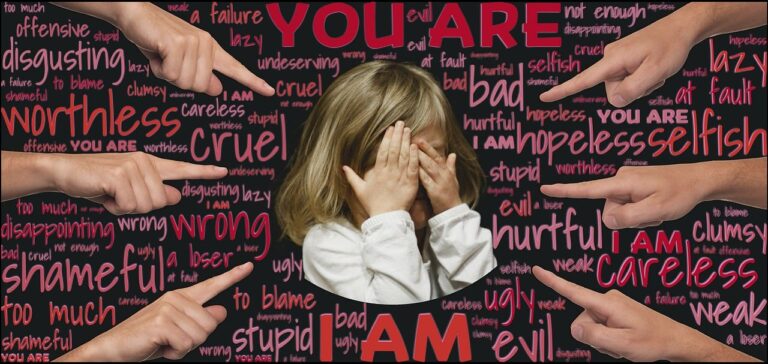
What guilt is...
Guilt is a feeling we get when we think we did something wrong — like when we hurt someone’s feelings, forgot to do something important, or broke a rule.
It’s like a little voice inside that says, “I wish I hadn’t done that.”
That voice isn’t there to make us sad — it’s there to help us learn and do better next time.
But sometimes, we can also feel guilty when we didn’t do anything wrong at all — like when we say “no” to someone, or when someone tries to make us feel bad to get their way.
That’s not real guilt — that’s someone putting their feelings on us.
Recognise the signs...
You might be feeling unhealthy guilt if:
- You constantly say sorry, even for small things.
- You feel anxious after saying “no.”
- You replay past events and blame yourself repeatedly.
- You feel responsible for someone else’s happiness.
Types of guilt - have you felt it before?
Guilt should help us grow, not make us feel small.
The Guilt That Teaches You
Sometimes guilt comes from doing something wrong
The Guilt That Doesn’t Belong
You stood up for yourself, said “no,” or protected your boundaries
The Guilt That’s Given to You
They say things like “I thought you cared about me” or “After all I’ve done for you…”
Let's break the cycle...
Sometimes guilt comes from something simple — forgetting an assignment, missing a deadline, or letting someone down. It can feel like the floor is breaking beneath us, like everything we’ve built is falling apart.
But here’s the truth: you can’t change the past — only what you do next.
If you feel guilty because you forgot something important, talk to someone who can support you — a friend, teacher, or parent who listens without judgment. A good friend won’t say, “How could you be so stupid?” — that’s not support!
Support sounds like this:
“It’s okay, you made a mistake. Let’s see what we can do now.”
Take five minutes to feel the guilt, breathe, and let yourself acknowledge it. Then it’s time to move forward:
- Forgive yourself first. You can’t grow from guilt if you’re still punishing yourself.
- Look for solutions. Can you email your teacher? Resubmit? Ask for feedback?
- Plan for next time. Set a reminder, write it in your planner, or ask a friend to check in.
- Learn from it. Guilt becomes growth when you use it to do better next time.
Parents and teachers often react out of frustration, but what kids (and adults with ADHD) really need is understanding. Forgetting something doesn’t mean you don’t care — it means you need a system that supports your brain, not punishes it.
Even friendships can struggle with forgetfulness — missed birthdays, forgotten meetups — but these moments can teach you responsibility without destroying your confidence.
When guilt hits, pause and remind yourself:
“I made a mistake. But I’m learning. And next time, I’ll do better.”
That’s how guilt becomes a teacher, not a weight.
Video is coming soon...
Guilt can be a teacher or a trap.
When you learn to tell the difference, you take your power back — and that’s where healing begins.